
Cooperation
How to prepare a contract assembly enquiry
A few simple details help us understand your product faster and come back with a concrete answer instead of a string of questions.
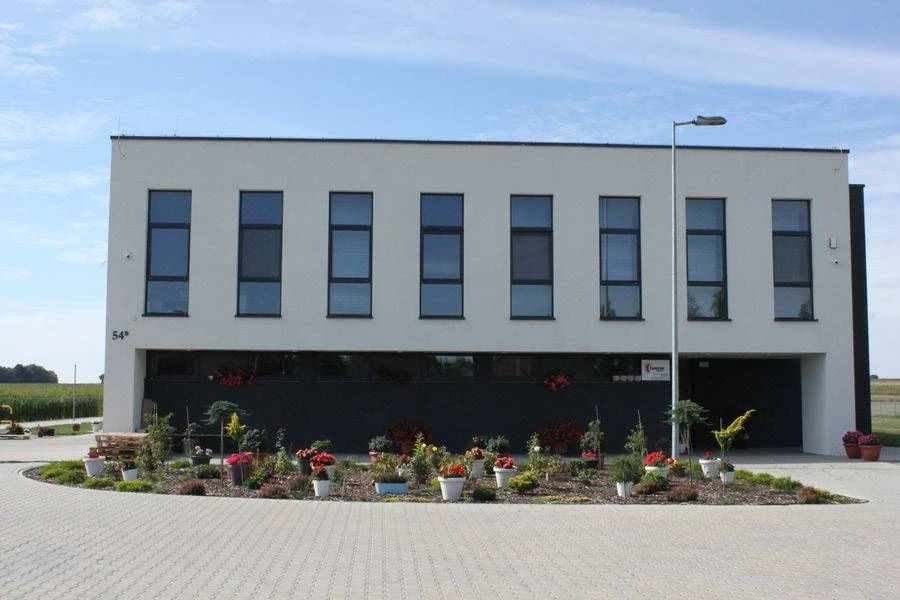
A good conversation about assembly starts with a few specifics. You don’t need finished technical documentation — but the more we know at the outset, the faster we can come back with a sensible answer instead of a long list of questions.
What’s worth telling us
- What the product is — what it does and how many main parts it’s made of.
- Where the parts come from — whether you supply them, or some are to come from different sources.
- What scale — whether we’re talking about a short trial run or repeatable batches.
- Quality requirements — what “well assembled” means to you and whether there are critical points.
- What happens to the product next — whether it needs to be described, marked or packed in a particular way.
Photos say more than a description
If you can, attach a few photos of the product or its parts. Often a single photo helps us understand the design better than a page of text. If you have a drawing or specification — great, but it isn’t a condition for talking.
What you don’t need to have
You don’t need a written-out assembly process or a quote “of your own”. That’s what we’re here for. Your job is to show the product and the goal — ours is to propose how to assemble and check it sensibly.
What happens after you send the enquiry
We get back to you, ask about any missing details and establish whether and how we can help. We don’t make promises about deadlines before we truly understand the product — assessment first, specifics after.
TELL US ABOUT YOUR PRODUCT
A photo, sketch or short description is enough. Add an estimated quantity and tell us when you want to start.
See also
 Knowledge
What can we assemble for you?
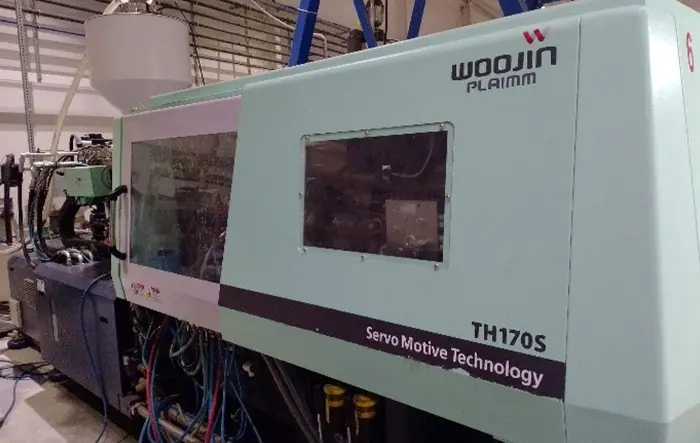
Assembly of mechanisms, sub-assemblies and finished products from supplied components — from simply joining parts to a closed, checked and packed product.
 Knowledge
From assembly to packing
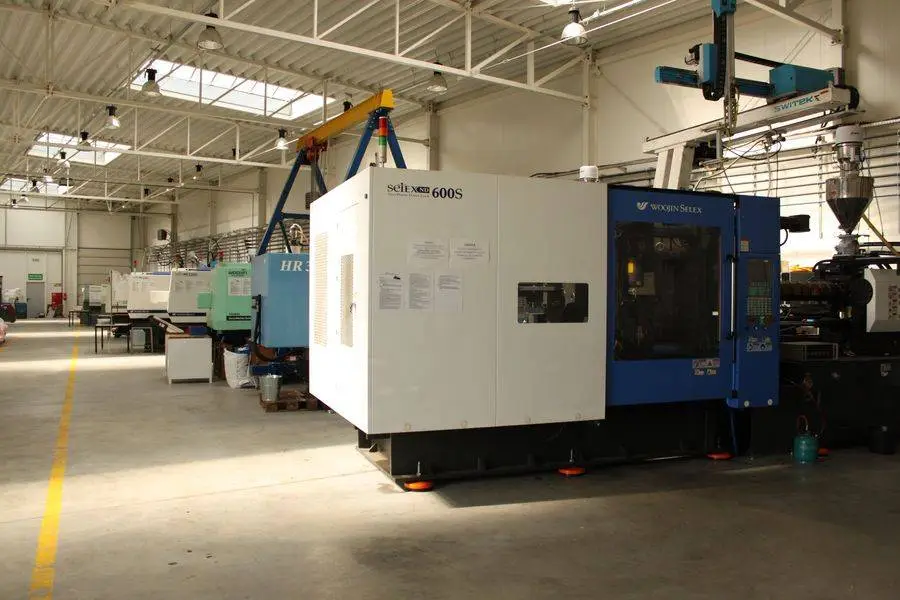
A finished product is not just assembled parts. It is also quality control, correct marking and packing prepared for the journey ahead.
 Knowledge
Components from different suppliers
When components come from several sources, the key is to gather them, check them and combine them into one coherent, working product.